ANWESHA KAR / INTELLIGENT TRANSPORTATION SYSTEMS (ITS), VEHICLE-TO-EVERYTHING (V2X) & REAL-TIME SYSTEMSFIELD NOTES · 2026
UNDER THE HOOD. AHEAD OF THE CURVE.
The future has to boot first.
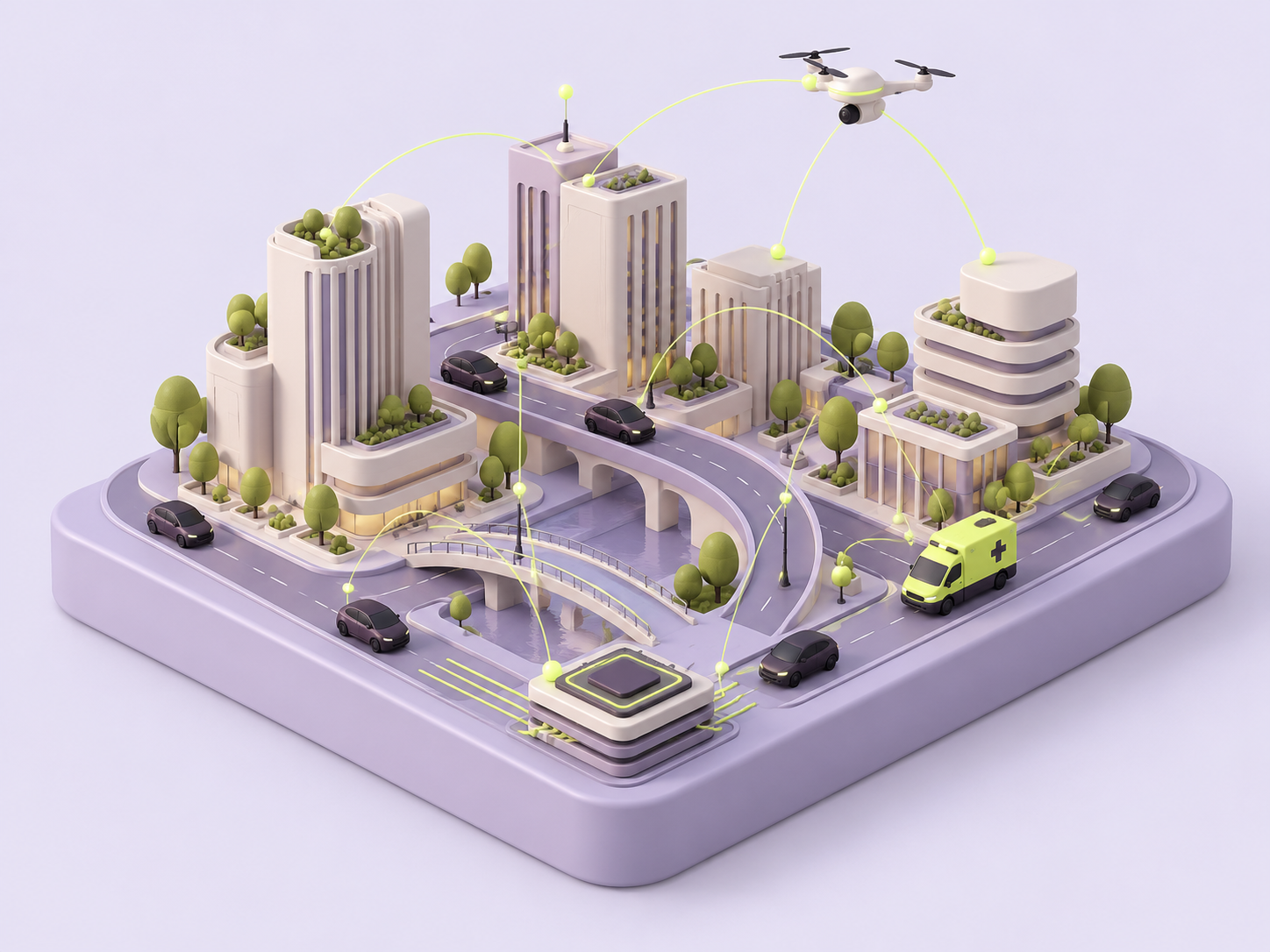
Before a robotaxi can navigate or a flying car can take off, its hardware and software need to work together. I work on that foundational layer: the systems behind intelligent transportation.
When this layer fails, a device may never start—or stay reliable enough to use. Getting it right means following clues from boot logs to the hardware itself.
My focus: V2X communication, real-time systems and precise, shared time.
Scroll or swipe to browse · Select a preview to watch on YouTube
04 / INTERACTIVE NOTESA few ideas to play with.Open playground +
04 / SMALL EXPERIMENTS, BIG QUESTIONS
Don’t just read. Pull a lever.
A few interactive ways to explore the systems behind the story.
gPTP / RESEARCH SPOTLIGHT
Same scene. Different “now.”
Camera, LiDAR and radar observations need a common time reference. My work on gPTP examines why the reliability of that shared clock matters to autonomous driving.
Move the slider to see a simple idea: readings about the same event become harder to align when their clocks disagree.
Concept illustration only. No attack details, implementation data or experimental results are reproduced.
ONE EVENT / THREE SENSOR CLOCKSAligned
CAMERA
t₀
LiDAR
t₀
RADAR
t₀
AlignedIncreasing disagreement
All three observations line up on the same timeline.
CONCEPT / THE TOKENIZED P&L
A token budget is a design choice.
If every department runs AI, who owns the bill? I’m exploring token budgets as an operating discipline: allocation, attribution, approval and measurable value.
This miniature “Token Trading Floor” makes the trade-offs tangible. Change a workload and a rate profile to see the monthly inference estimate.
Illustrative calculator. Profiles are invented examples, not provider prices or live feeds. Estimates exclude infrastructure, storage, tools, taxes and other charges.
TOKEN TRADING FLOORSandbox
USD per million tokens. “In” = input; “out” = output.
$1,050estimated / 30-day month
$262.50 per department with an equal split.
21% of the illustrative budget used.
CONCEPT / ARCHITECTING THE AGENTIC ENTERPRISE
A thousand agents. Who’s in charge?
I’m interested in the orchestration layer: which agent can act, what it can access, and when a human needs to step in.
OpenClaw and NVIDIA’s NemoClaw ecosystem make that conversation timely. For a sovereign agentic cloud, residency needs to be part of routing and governance.
Illustrative policy routing only. This demo runs no agents, makes no API calls and transfers no data. UAE residency is a design scenario, not a compliance claim.
05 / ON MY DESKWhat I’m exploring next.View ideas +
05 / ON MY DESK
What I’m thinking about.
Research-informed ideas I want to explore, build and bring into the room.
01 / PRECISE + SECURE TIMEEXPLORING NEXT
t↔t
Better timing. Stronger trust.
Optimising and securing the Precision Time Protocol
I’m exploring how to make Precision Time Protocol (PTP) synchronisation more efficient, reliable and secure. The goal: a shared clock that connected systems can depend on.
What I’m looking at
Reducing timing error and synchronisation overhead, while strengthening resilience to disruptions and attempts to manipulate timing. Performance and security need to be considered together.
As flying cars become part of the mobility conversation, I’m interested in how vehicles in the air and on the road can communicate and coordinate smoothly.
What I’m looking at
Building on my aerial–terrestrial research: timely warning exchange, dependable links and coordinated communication as vehicles move between ground and air. The aim is a more connected view of what’s happening around them.
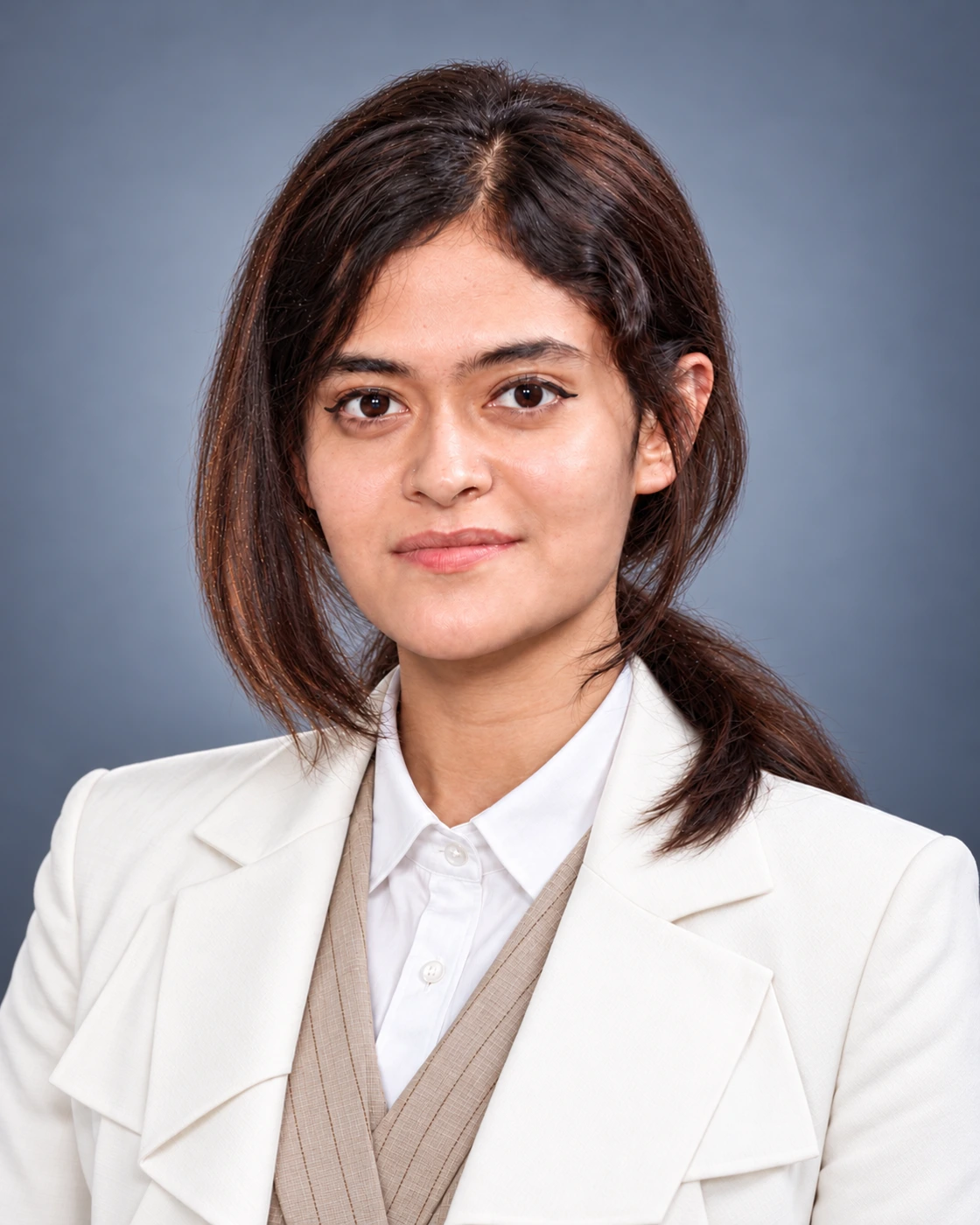
I work on intelligent transportation systems (ITS), vehicle-to-everything (V2X) communication and real-time PTP synchronisation.
My focus is the infrastructure that lets connected vehicles cooperate reliably: how messages are scheduled, how warnings travel and how sensors share a common sense of time.
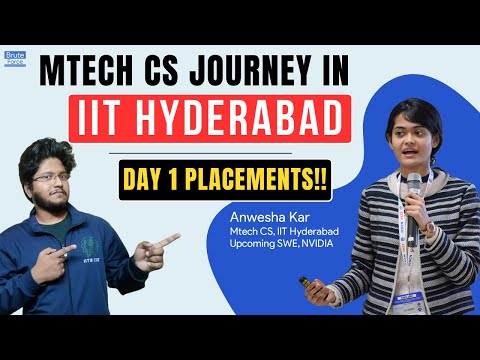
At NVIDIA, I work in systems software. My research connects 5G NR sidelink and aerial–terrestrial communication with dependable real-time systems, including Precision Time Protocol (PTP) and gPTP.
A THOUGHT I KEEP COMING BACK TO
“Getting one robotaxi to drive is hard. Proving that many can operate safely, every day, is a different kind of challenge.”
07 / THE SHORT VERSION
A little less bio. A little more point of view.
For introductions, collaborations and conversations about the systems behind AI.
THE TWO-SENTENCE BIO
Anwesha Kar is a Systems Software Engineer at NVIDIA working on intelligent transportation systems (ITS), vehicle-to-everything (V2X) communication and real-time synchronisation using the Precision Time Protocol (PTP). Her research spans 5G NR sidelink scheduling, aerial–terrestrial cooperation and dependable timing for connected and autonomous mobility.
What should AI builders care about below the model?
The parts that let it work reliably: timing, communication, validation and clear limits on what it can do. When software acts in the physical world, those details become part of the outcome.